Ellis Krause · 2 September 2026
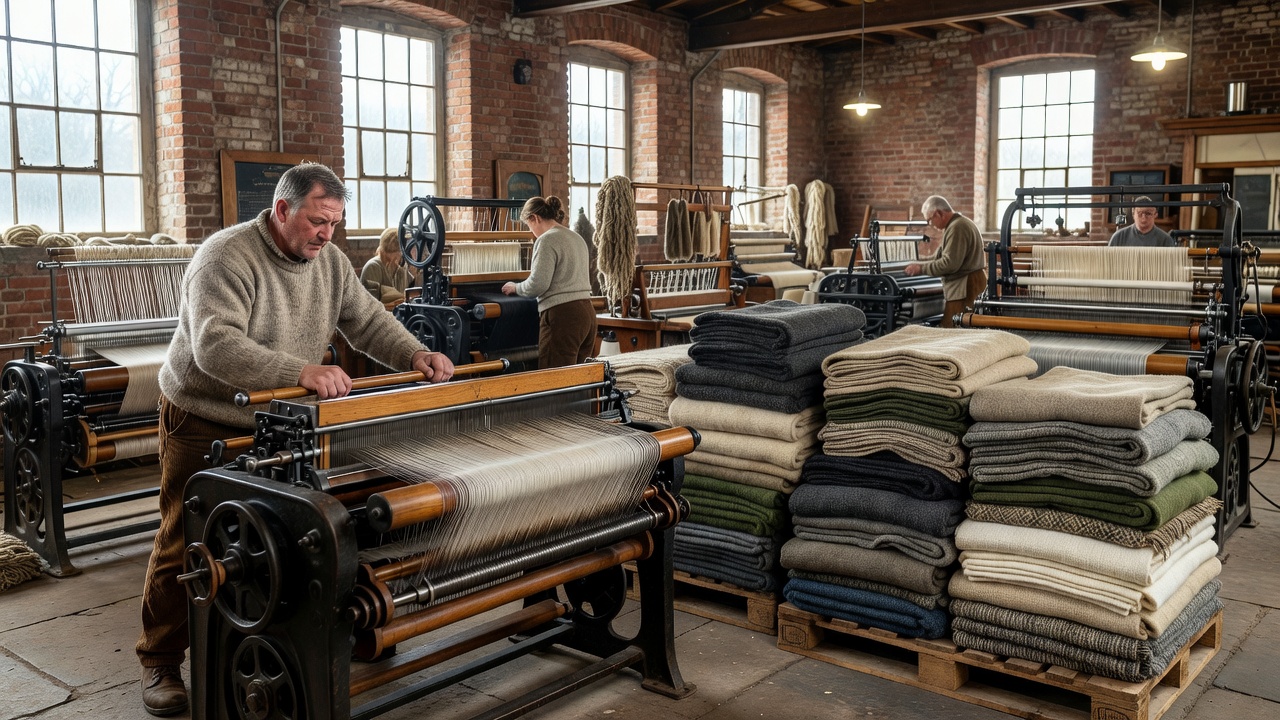
Yorkshire's wool weaving sector is undergoing a notable revival, with several historic mills reporting a return to full production schedules driven by rising exports of premium British wool fabrics. The industry, rooted in centuries of tradition, is seeing renewed interest from both domestic and international buyers seeking quality and authenticity.
Restoration of Traditional Looms
Many mills in areas such as Bradford and Huddersfield have invested in the refurbishment of vintage weaving machinery dating back to the early 20th century. These looms, once central to the region's industrial heritage, are now being operated by a new generation of weavers trained in traditional methods. The process involves careful sourcing of high-quality fleece from local sheep farms, followed by spinning and dyeing before the intricate weaving begins. This approach ensures that the fabrics retain the distinctive texture and durability associated with Yorkshire wool products. Artisans emphasize the importance of maintaining these skills, which were at risk of disappearing due to globalization and cheaper imports in previous decades. Workshops have been established to pass on knowledge of patterns like herringbone and twill, which are popular in both fashion and upholstery markets. Additional training programs are attracting young workers interested in craft careers.
Surge in International Exports
Export figures for Yorkshire woven wool have shown consistent growth over the past three years, with key markets including Germany, the United States, and Japan. The appeal lies in the sustainable practices employed by these mills, where wool is sourced ethically and production methods minimize environmental impact compared to synthetic alternatives. Orders for bespoke fabrics have increased, particularly from designers seeking authentic materials for high-end clothing lines. Industry representatives note that trade agreements have facilitated smoother access to overseas buyers, while domestic interest in heritage crafts has also contributed to the upturn. Challenges remain, including the need for skilled labor and fluctuations in raw material costs, but the overall outlook is positive as mills adapt to contemporary demands while preserving their historical roots. Furthermore, collaborations with fashion houses have brought attention to the quality of these woven goods. Events showcasing Yorkshire textiles have helped promote the region's offerings on a global stage. The revival not only supports local economies but also contributes to the preservation of cultural heritage associated with wool weaving in northern England. Future plans include further investments in technology to complement traditional techniques without compromising authenticity.