Alex Washington · 2 September 2026
Yorkshire's historic wool mills are experiencing a notable resurgence in traditional weaving methods as global demand for British wool textiles rises. Mills across the region, particularly in Bradford and Halifax, report increased production of fine worsted fabrics using century-old techniques that had declined in recent decades.
Heritage Looms Return to Full Operation
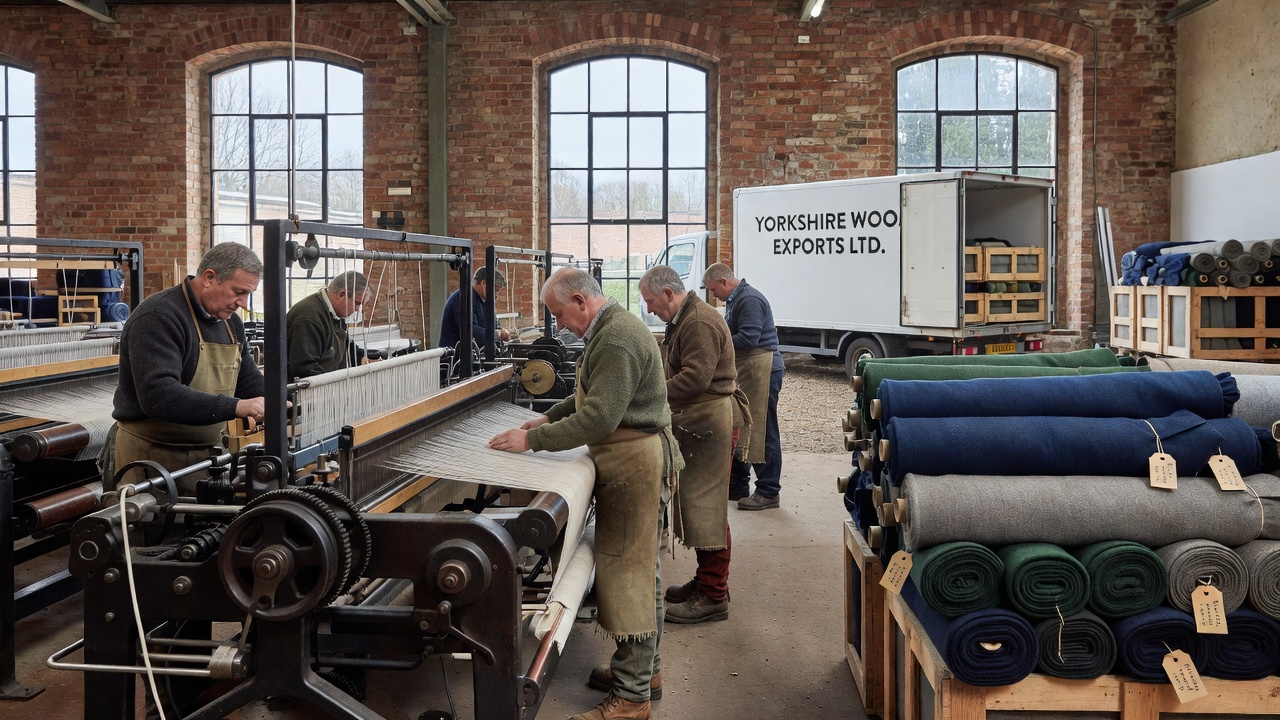
Several family-owned mills have invested in restoring Dobcross and Hattersley looms, some dating back to the Victorian era. These machines produce distinctive wool cloth prized for its durability and natural texture. Apprenticeship programs have expanded to train younger workers in hand-threading and pattern-setting skills that were at risk of disappearing. Local suppliers of raw fleece from Pennine sheep farms have also seen steady orders, supporting the full supply chain from shearing to finishing. The focus remains on quality over volume, with each bolt of cloth undergoing multiple inspections to meet export standards.
Industry bodies note that the revival aligns with renewed interest in sustainable materials. Wool's biodegradability and temperature-regulating properties appeal to overseas buyers seeking alternatives to synthetic fabrics. Mills have adapted by offering custom blends while preserving core processes such as scouring, carding, and spinning on site.
Export Markets Drive Investment and Output
Overseas sales of Yorkshire wool cloth grew substantially last year, with key markets in Japan, Germany, and the United States. Exporters cite consistent demand for suiting and upholstery fabrics that combine traditional appearance with modern performance finishes. This growth has enabled mills to reinvest in energy-efficient equipment without altering the hand-finished character of their products. Trade data shows wool exports from the region increasing by double-digit percentages, reversing a long-term contraction that began in the late twentieth century.
Mill owners attribute part of the success to collaborative marketing through regional heritage initiatives that highlight provenance and craftsmanship. While challenges remain around skilled labor shortages and fluctuating raw material costs, the current trajectory suggests continued expansion. The combination of preserved techniques and rising international interest positions Yorkshire's wool sector for sustained activity in the years ahead.